
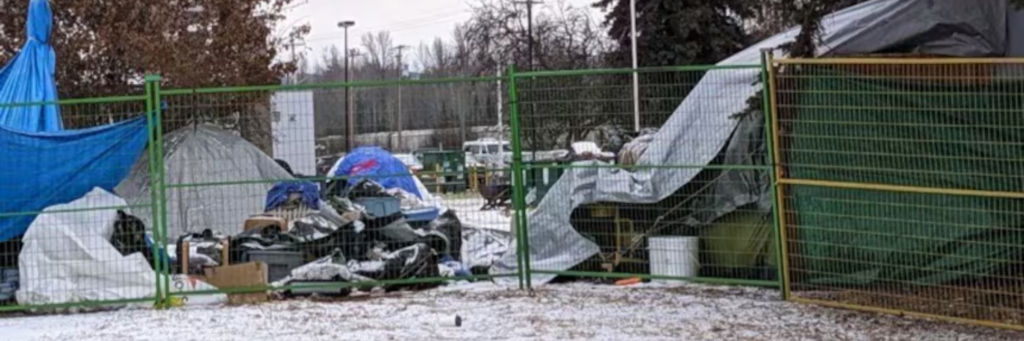

Smithers, B.C., a town of 5,500, drew more than 8,000 views to a town-hall livestream as residents debated a new emergency shelter. Mayor Gladys Atrill acknowledged concerns, emphasizing that the shelter is a temporary measure and not a long-term solution. Similar tensions are emerging across smaller B.C. communities facing rising homelessness. Sidney council recently rejected an extreme-weather shelter to operate only a few nights a year, while Trail and Port Alberni remain divided over renewing permits for their local shelters.
Local leaders say the core problem is the fragmented provincial process for shelter approval. Shelters are typically proposed by nonprofits and funded by B.C. Housing, sometimes bypassing council due to pre-existing zoning, as in Smithers. Elsewhere, councils must vote, creating an inconsistent, year-to-year cycle with no long-term planning, stable funding, or regional coordination. Port Alberni Mayor Sharie Minions says this makes it difficult for municipalities to meaningfully plan or engage communities, as rejecting a proposal could mean losing shelter funding altogether.
In response, the Union of B.C. Municipalities has called for a regional strategy to allocate scarce shelter resources more effectively. The province, however, says it will maintain the current approach while funding a record 6,500 shelter spaces this winter—a 7% increase over last year—suggesting similar local debates will continue.
Read the full story on CBC: