
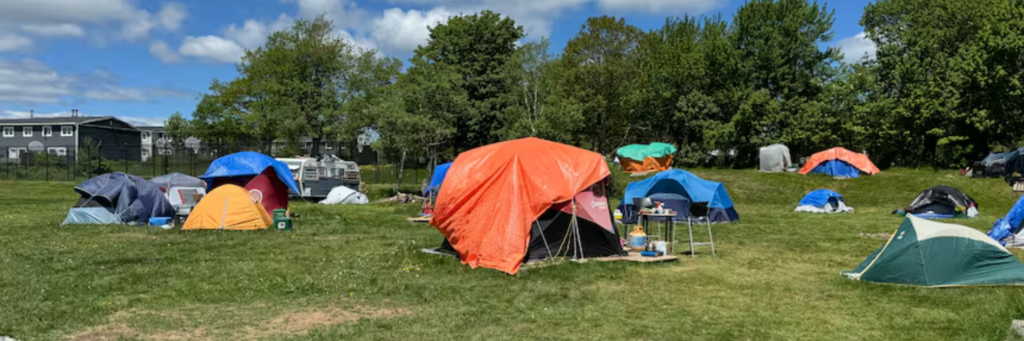

Halifax will shift its homelessness strategy from supporting outdoor encampments to moving people indoors, after staff reported that there are now enough temporary indoor spaces for most individuals sleeping rough. Council unanimously approved a new 2026–28 framework that will close the city’s last two designated encampments within two years, tighten site rules, and use real-time data to match people with suitable housing options. Executive director of community safety Rachel Boehm said fewer than 100 people are currently sleeping outside—down from over 200 in 2023—with about 45 in designated sites and roughly 67 indoor spaces available across shelters, Pallet shelters, tiny homes, and supportive housing.
Supportive housing, which offers private locks and on-site services, makes up most available spaces and is considered the most appealing alternative. Under the new system, every encampment resident will be registered and paired with an outreach worker who will guide them into housing. Camps will have controlled size limits and on-site behaviour rules to improve safety for both residents and neighbours.
Improved data sharing with shelters allows staff to see vacancies and avoid placing someone in a setting that previously failed for them. Complex cases will be handled collaboratively with provincial teams. Although outdoor homelessness is declining, overall homelessness is rising, with over 1,028 households on Halifax’s housing-needs list. The city and province plan a new shared commitment outlining joint responsibilities.
Read the full story on CBC: